

Land Severances (Consents)
What is a Severance?
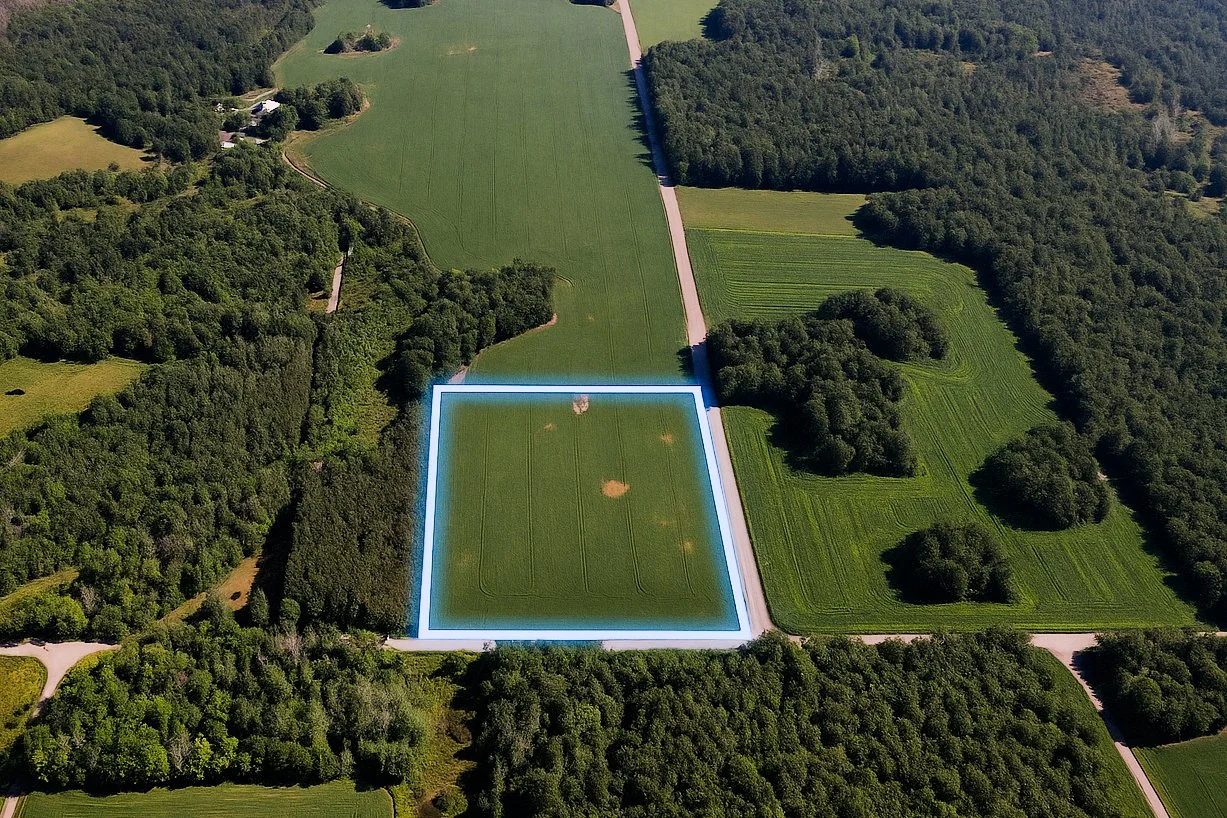
In Ontario, dividing land into new parcels is called a Severance (or Consent). The Planning Act requires municipal approval before land can be transferred, sold, or long-term rights such as access are granted. A property cannot legally be split into new lots until consent is obtained.
For rural property owners, severances are common. A farmer may wish to sell a portion of a field. A family may want to create a lot for the next generation. An owner may need to grant access to neighbouring land. Although the idea seems simple, the process is technical and must follow a careful sequence.
Why Severances Matter
Land ownership creates both opportunities and responsibilities. Severances allow families to keep children close to home, help farmers adjust their holdings, and provide a way to sell land when needed. They also guide how rural communities grow, ensuring development occurs at a scale that matches local services and infrastructure.
Poorly planned severances can cause long-term issues. Inadequate road access, undersized parcels, or a lack of safe water and septic systems often result in problems for both owners and municipalities. The approval process exists to prevent these challenges and to make sure lots are functional for the future.
Policies and Rules
Each application must satisfy municipal and provincial requirements. The Official Plan establishes the community’s long-term vision and identifies where growth should occur. The Zoning Bylaw applies specific regulations such as minimum lot sizes, frontage, and permitted uses. Together, these documents form the framework for deciding if a severance is appropriate.
In many rural communities, the process begins with an informal meeting with the municipal planner. This early step helps to identify obstacles and avoids unnecessary costs. Larger urban municipalities often require a more formal pre-consultation involving several departments, but smaller townships are usually more accessible.
The Application
A complete application consists of the form, supporting documents, and fees. Municipalities usually request a sketch or survey showing the proposed lot, its access, and its method of servicing. Applicants must also provide details about wells, septic systems, or municipal connections.
Additional technical studies may be required depending on the property. These can include soil testing for septic suitability, water testing, or environmental reviews when sensitive features are present.
Once submitted, the application is circulated to neighbouring property owners and reviewing agencies such as the local Conservation Authority, the Health Unit, and utility providers.
The Hearing
After circulation, a public hearing is scheduled. The Land Division Committee or Committee of Adjustment reviews the proposal, supported by reports from municipal planners and staff. The applicant or their representative often a surveyor or planner presents the details.
Neighbours may attend to offer comments or raise concerns. Following discussion, the committee decides whether to approve, refuse, or defer the application. Most approvals come with conditions.
Conditions
Approval usually includes specific requirements:
A legal survey prepared by an Ontario Land Surveyor
Payment of outstanding property taxes or parkland fees
Road widening or dedication to the municipality
Proof of adequate water supply and septic system capacity
Written clearance from agencies such as the Conservation Authority
Applicants generally have one year to meet these conditions. If the deadline is missed, the approval lapses and the process must start over.
Final Registration
Once all conditions are satisfied, the severance can be finalized. The Ontario Land Surveyor deposits a Reference Plan at the Land Registry Office, and a lawyer prepares the transfer documents. Today, most of these steps are completed digitally, making the process more efficient.
At this point, the new lot becomes legal and may be sold, transferred, or developed.
Why Professional Help Matters
Preparing and managing a severance application requires attention to detail and an understanding of planning policies. Errors can lead to delays, extra costs, or even refusal. Many landowners rely on a surveyor, planner, or lawyer to prepare documents, attend hearings, and ensure all conditions are met.
At Kerr & Potvin Inc., Ontario Land Surveyors, we guide clients from the first sketch through to final registration. Our role is to provide the expertise and professional support needed to complete the process with confidence.
Conclusion
Severances play an important role in rural life. They help families adapt their land, allow farmers to manage their holdings, and give communities space to grow in a responsible way. The process is technical, but with the right guidance it can be straightforward and rewarding.
For a complete step-by-step guide to the severance process, visit www.kpsurveyors.com.